
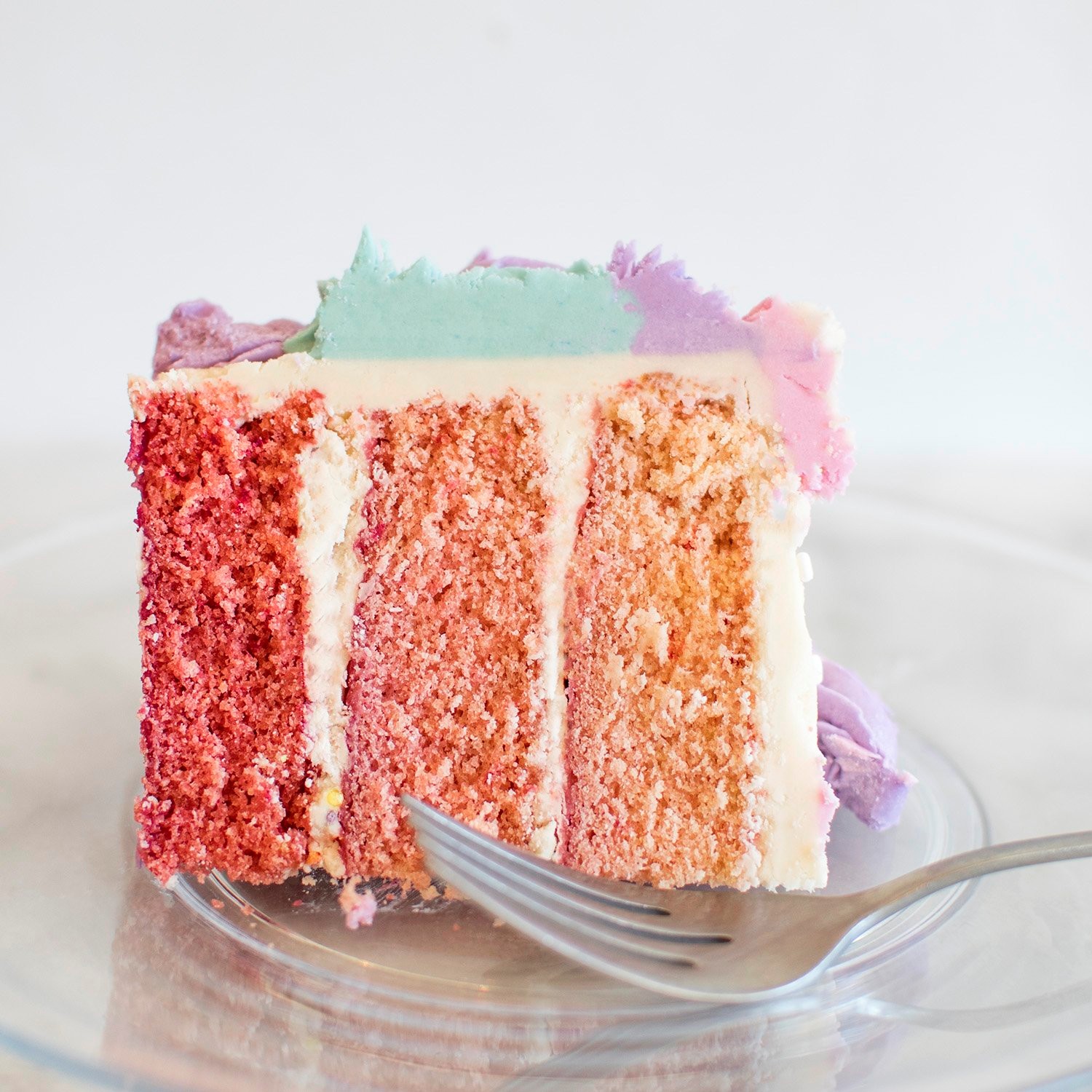
A cake batter and the finished cake may begin with the same ingredients, yet they are not in the same environment. One spends a few minutes in a mixing bowl. The other has been exposed to heat, moisture loss and a series of chemical changes inside an oven.
Color has to travel through that process too. This is why selecting a natural color for baked goods involves more than producing the right shade before baking. What matters is what remains after the product has been mixed, heated, cooled, packaged and stored.
Start at the End of the Production Line
It is easy to approve a color while looking at an uncooked sample. That can be misleading.
Developers should first decide what the finished product needs to look like. A pastel cake, strongly colored cookie and seasoned snack may all require different levels of visual intensity. Once that target is clear, trials can work backward from the desired result.
Photographs taken under consistent lighting can also help teams compare one trial with another instead of relying on memory.
Heat Deserves Its Own Trial
Natural pigments do not all respond to processing conditions in the same way. Some applications involve only mild heating, while baking can expose ingredients to considerably different conditions.
Manufacturers evaluating natural food colors should therefore test candidates using the actual time and temperature involved in production. A color that looks promising in a cold mixture may change after processing.
Reducing the oven temperature simply to protect a shade may not be practical either. The color generally needs to work with the product’s required process, not force the entire recipe to work around it.
The Recipe Can Change What You See
Temperature is only one part of the picture.
Acidity, fat, protein, sugar and other ingredients can influence how a color appears in the finished food. Even the natural color of the base matters. Creating a bright shade in a pale frosting is a different task from coloring a dark dough or strongly flavored snack coating.
For that reason, testing a pigment in plain water tells a developer very little about its final appearance in a complicated recipe.
Use the real formulation whenever possible.
Decide When the Color Should Be Added
The point at which color enters the process can sometimes affect the practical result.
One recipe may require it to be dispersed into a liquid component before mixing. Another production method could introduce it at a different stage. Whatever approach is considered should be tested for even distribution and compatibility with the normal manufacturing sequence.
A method that works beautifully in a laboratory but requires awkward extra steps on the production floor may create unnecessary difficulty during scale-up.
Look for More Than a Shade Chart
Working with a natural food color manufacturer can involve technical questions that go well beyond choosing red, yellow or blue.
A development team may need information about available formats, recommended applications, stability considerations and suitable usage approaches. Technical support becomes particularly valuable when an existing formulation is being changed, and the manufacturer wants to preserve a familiar finished appearance.
Samples are useful, but samples supported by relevant application information are far more useful.
Check the Product Again After Cooling
Freshly baked food can look different after it has completely cooled.
That is a simple detail, but it is easy to miss when teams are eager to evaluate a trial. Allow the product to reach its normal finished state before making the final visual judgment.
Then look again after packaging and storage. If the intended shelf life is substantial, color should be observed at appropriate points rather than only on production day.
Consumers will see the product later, not while it is still sitting beside the oven.
Scale-Up Is Another Test, Not Just a Bigger Batch
A successful kitchen or laboratory trial does not automatically guarantee identical results in commercial equipment.
Larger mixers behave differently. Heating and cooling times may change. Ingredient addition can take longer, and the product may spend more time at particular temperatures.
Keep careful notes during pilot and production trials. If the shade changes, records of dosage, processing conditions and ingredient sequence can make troubleshooting much easier than starting again from guesswork.
Conclusion
The real test of a food color used in baking is not the moment it enters the mixing bowl. It is the moment somebody opens the finished package days or weeks later and sees the product as it was intended to look.
That makes heat, recipe composition and storage part of the color decision from the beginning. Manufacturers developing or reformulating heat-processed foods can explore application-focused natural color solutions through foodrgb.com while testing each option under the conditions their own product will actually experience.