
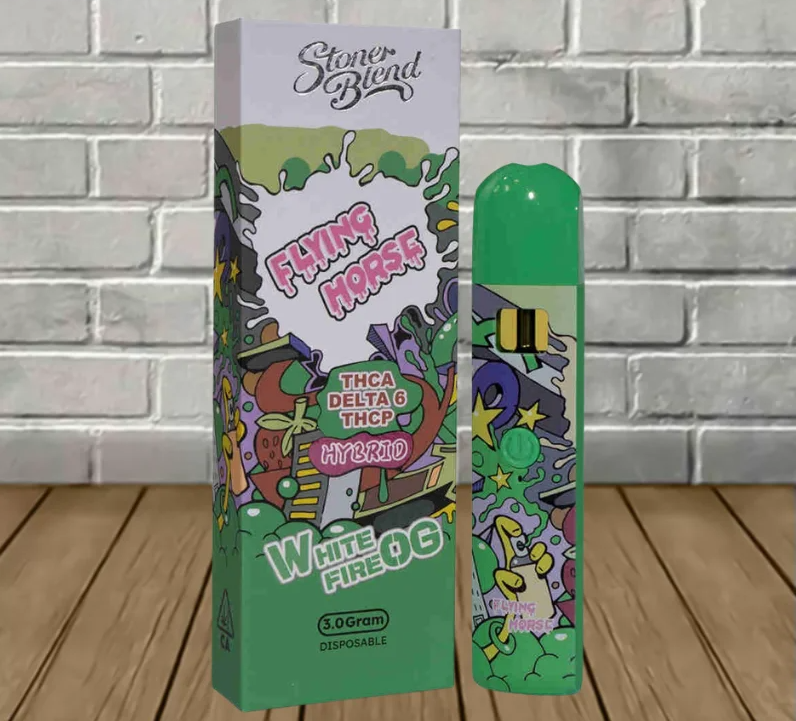
Start with Clean Carts Disposable Basics
Clean Carts disposable products are designed for simple, on-the-go use, which makes them a popular choice for shoppers who want convenience without maintaining separate accessories. When you shop, start by focusing on the category fit: disposable formats are typically most useful when you prefer a contained experience and fewer setup Flying horse carts steps. A practical way to begin is to compare the product listing details, such as format type, quantity, and any described flavor or strain naming shown on the page. This helps you narrow down options before you read deeper label information.
If you’re also exploring other items on the site, use a consistent workflow so you don’t get overwhelmed by variety. For example, browse the collection pages first to get a sense of what’s available, then open a few product pages to review how information is presented. If you want to explore the broader catalog, you can visit and treat it like a reference point for how listings are organized. That same approach—scan, shortlist, then read—works well when you’re specifically shopping for Clean Carts Disposable offerings.
Use a Product-Selection Checklist While Browsing
A good selection process starts with understanding what each product page is trying to communicate. Look for the basics first: the stated product type, the serving format (including whether it’s disposable), and any listing details that help you identify what you’re purchasing. Then check how the page explains ingredients or cannabinoid content—some listings provide more structured label-style information than others. A practical checklist includes confirming the product name, verifying the size or count, and reading any “how to use” notes if present.
Next, pay attention to how the brand presents responsible use information. Even when a product seems straightforward, the listing may include reminders about reading packaging and following local rules. For disposable items, it’s also smart to consider usability factors like whether the device is described as ready-to-use and whether the listing notes any storage or handling guidance. This keeps your choice aligned with your expectations and reduces the chance of surprise when you receive the item.
Interpreting Cannabis Label Information Without Guesswork
Product labels can feel technical, but you don’t have to guess. Start by reading label sections in order: product identity, ingredient or content lines, and any potency-related disclosures. If a page mentions specific cannabinoid types, treat the naming as information to be verified on the packaging rather than as marketing shorthand. When you see terms tied to cannabinoid sourcing or formulation, look for what the listing says about what that means on the label. This is especially useful when you’re comparing different items within a broader catalog.
For example, when product pages discuss items like Stoner Blend 3.8g or THC-P Liquid Diamond, you’ll typically encounter label-style details that help you understand what’s inside and how it’s categorized. Use those pages as a learning template: identify where the ingredient list appears, where potency or cannabinoid information is shown, and where compliance-style statements are placed. Even without making health claims, you can still use the information to make comparisons about clarity, completeness, and transparency. That same “label reading” discipline applies directly to Clean Carts Disposable items because both formats rely on accurate, readable packaging information.
Evaluate Specific Listings: Stoner Blend and THC-P Formats
When you encounter a product listing such as Stoner Blend 3.8g, focus on the practical label elements that help you decide whether it matches what you want. Read for details like ingredient descriptions, packaging identifiers, and any notes that clarify what the “3.8g” figure represents on the label context. Then look for how the listing explains cannabinoid or content information, since this is often where shoppers benefit most from clear documentation. If the page presents a structured breakdown, use it to compare against other options rather than relying on names alone.
Similarly, THC-P Liquid Diamond listings often highlight how cannabinoid-specific terms are presented on packaging and in product descriptions. Treat those entries as a guide for how to interpret terminology responsibly: read what’s included, identify the type of product format, and confirm any testing or quality statements that appear on the page or packaging text. If you see references to lab testing or product verification, don’t assume meaning—look for what the listing actually states and where consumers can verify details. This approach supports better decision-making while keeping your expectations grounded in the information provided.
Conclusion
Clean Carts Disposable shopping is easiest when you treat product pages like a checklist rather than a browsing rabbit hole. Begin by confirming the disposable format details, then evaluate the label-style information that supports informed comparison. For many shoppers, the biggest advantage is learning how to read content sections consistently across different product types. This makes it simpler to choose items that match your preferences and reduces uncertainty before checkout. As you explore broader listings that include examples like Stoner Blend 3.8g and THC-P Liquid Diamond, practice the same disciplined reading habits. Focus on product identity, ingredient or content disclosures, and the way packaging and labeling details are described. By staying neutral, careful, and information-driven, you can approach disposable product selection with confidence and clarity while keeping your decisions aligned with what the brand provides on each listing.