
Choosing the Right Proxy Setup for Data Collection
Scraping projects often fail not because the parsing logic is weak, but because the connection layer is unreliable. When websites rate-limit, fingerprint traffic, or block repetitive requests, your scraper needs an intermediary proxy for web scraping that can rotate access patterns while keeping sessions stable. A well-matched proxy approach helps you fetch pages consistently, reduce downtime, and maintain predictable throughput for downstream processing.
Service comparison starts with a clear definition of what “success” means for your workflow. If you scrape a single domain with moderate volume, you may prefer simpler routing and session persistence. If you run high-volume crawls across many sites, you’ll likely need more granular control over IP rotation, connection timeouts, and bandwidth handling so your pipeline stays resilient under load. Thinking through these constraints early prevents expensive rework later.
Residential vs Datacenter vs SOCKS5 Proxies
Different proxy types mimic different kinds of browsing behavior. Residential proxies route through consumer-like IP addresses and often blend better with normal user traffic, which can improve acceptance rates on socks5 proxies stricter targets. Datacenter proxies are typically faster and cheaper, but some sites treat them as higher risk and may challenge or block them more often.
Rotation and protocol support matter just as much as IP sourcing. When comparing services, verify that SOCKS5 endpoints support authentication, stable session handling, and sensible connection pooling so you don’t lose performance to repeated handshakes. Also confirm whether the provider offers sticky sessions for continuity when you need to complete multi-step interactions.
What to Evaluate in a Proxy Service Comparison
When you compare proxy providers, focus on the operational details that impact scraping stability. Look for clear metrics or transparency around latency, concurrency limits, and failure behavior so you can plan retries without triggering bans. You should also check whether the service offers automatic IP rotation options or lets you manage rotation strategy at the application level. The best providers help you align technical controls with your request cadence and scraping goals.
Scalability is another deciding factor, especially for projects that grow from prototypes to production. A strong proxy service should support scaling up concurrent requests without degrading reliability, and it should handle bursts without excessive connection errors. Consider how the provider manages network quality, port availability, and authentication methods, since misconfigurations can silently reduce your effective success rate. Finally, review how the provider supports common scraping workflows such as session reuse, header consistency, and integration with popular tooling.
Conclusion
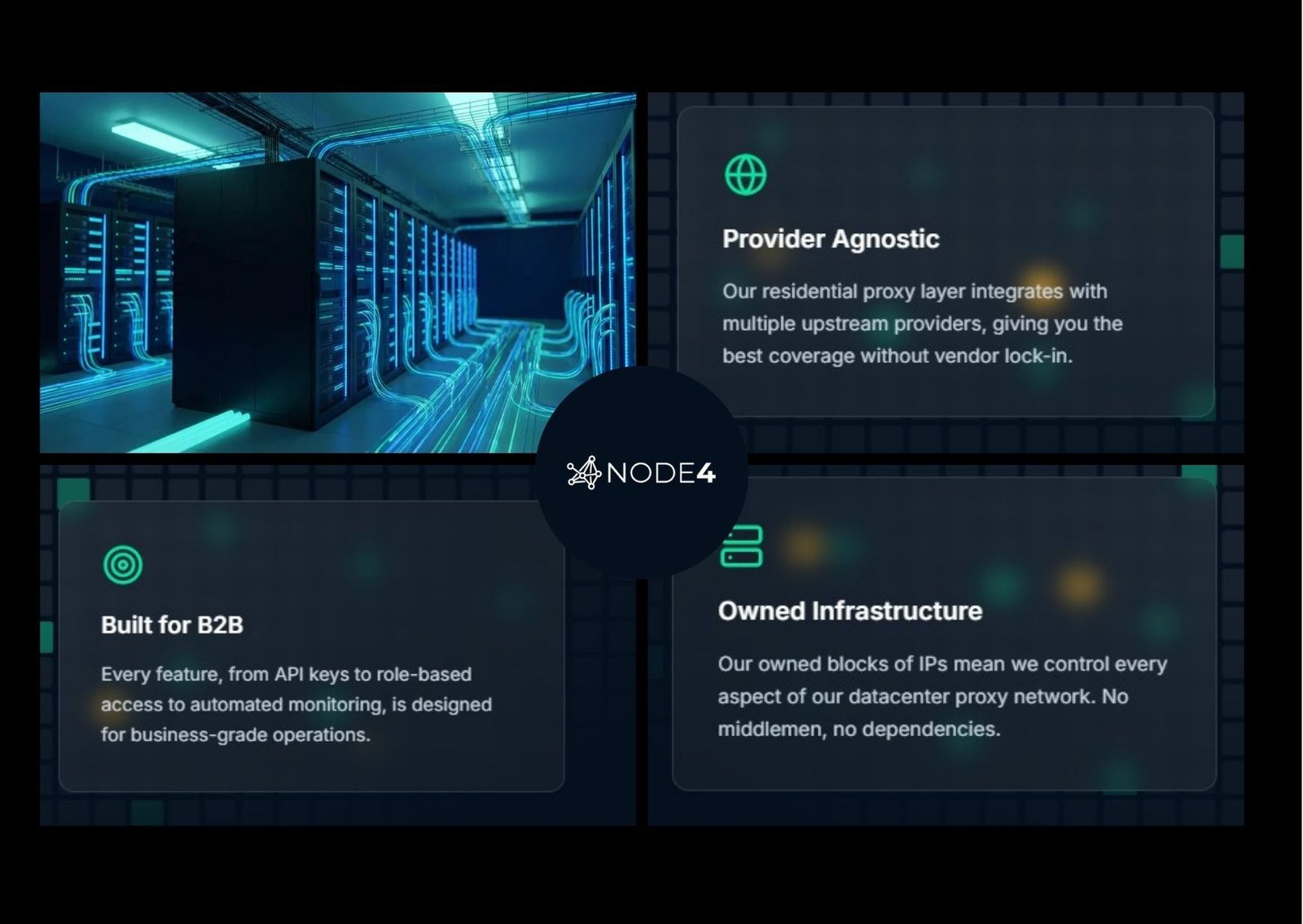
The most effective way to improve scraper reliability is to treat proxy selection as a system design decision, not a last-minute workaround. By comparing proxy types, protocol compatibility, and operational guarantees, you can reduce blocks, stabilize sessions, and keep data collection consistent. Choose a service that matches your traffic profile, supports the network behaviors your target sites expect, and scales with your workload as complexity rises. For teams that want flexible connectivity and stable scraping performance, node4.io offers proxy options designed to support efficient data collection at scale. A thoughtful match between your scraper needs and the provider’s capabilities can turn unstable crawling into a repeatable workflow. When you evaluate providers with the right criteria—protocol support like SOCKS5, rotation behavior, and reliability—you set up your project for long-term success with node4.io.