
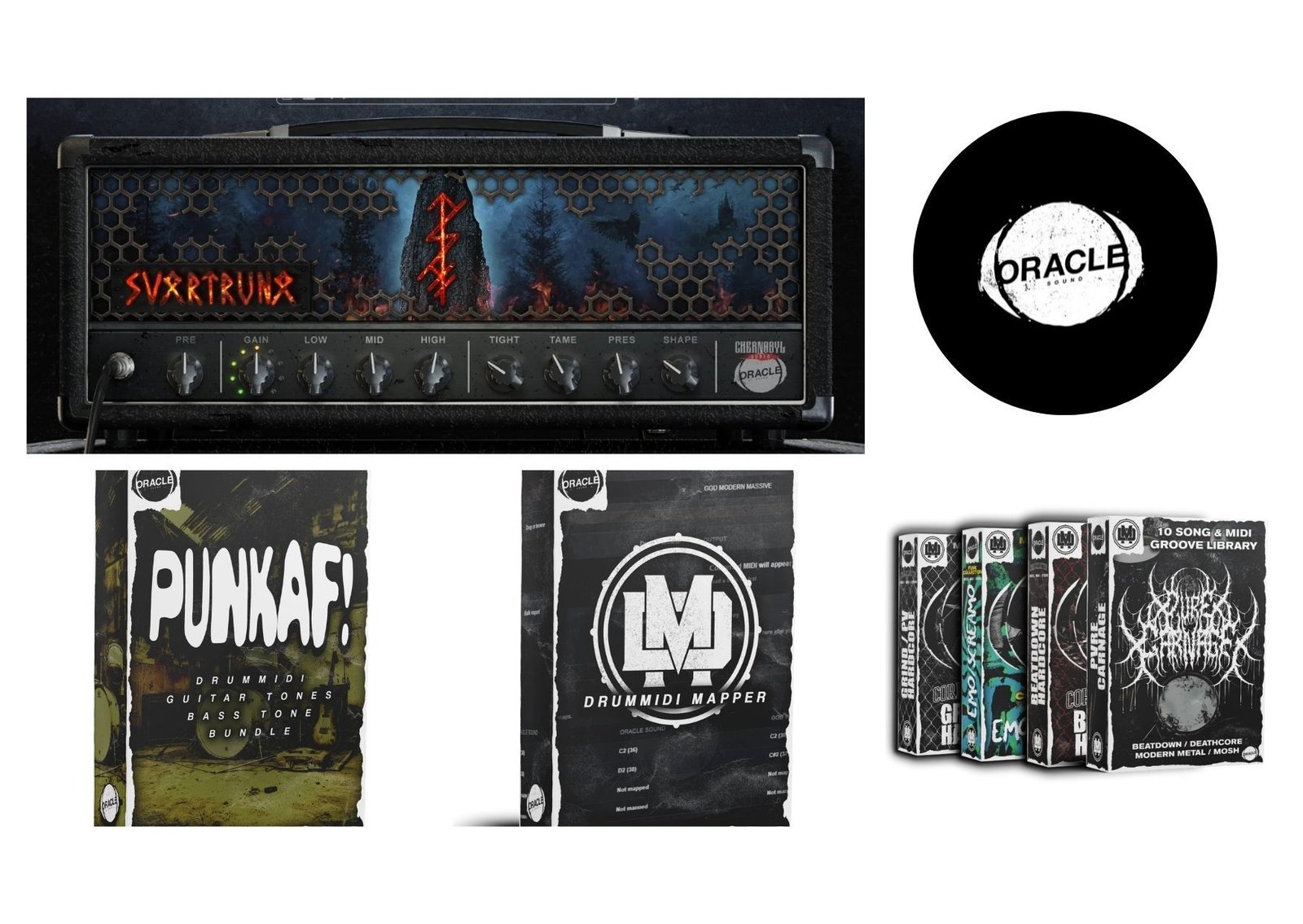
Start with brand-led tone discovery
Finding the right guitar tone is often less about chasing “the best preset” and more about discovering a consistent brand flavor that fits your playing style. When you approach profile selection as brand discovery, you listen for a cohesive character nam profiles across gain levels, note clarity, and how the tone sits in a mix. That mindset helps you compare options faster because you’re evaluating feel and identity rather than only brightness or distortion level.
Many musicians begin with a handful of familiar sounds, then wonder why their tone doesn’t translate when they change recordings or processing chains. A profile set that’s built with a distinct philosophy will usually respond predictably to common production moves like EQ cuts, compression, and parallel reverb. By focusing on how a brand’s profiles handle dynamics—picking attack, palm mutes, and sustain—you build a tone library that stays musical even when the session gets complicated.
How NAM-style profiles improve your amp simulation workflow
A strong workflow starts with profiles that behave like real amps under your hands, not just like static snapshots. NAM-inspired profiles can help you dial realistic interaction between pick dynamics and gain staging, which is critical guitar amp simulator when you’re recording clean parts and then pushing into overdrive. When the transition from clean to crunch feels natural, the whole performance becomes easier to edit and re-record without sounding disconnected.
Instead of rebuilding tones from scratch for every song, you can build a repeatable approach: select the profile, set gain and speaker feel, then refine with EQ and time-based effects. This is especially helpful for sessions that include layered tracks, where a cohesive “amp voice” across rhythm and lead parts prevents the mix from feeling patchy.
Choose profiles by what they add to your mix
Brand discovery becomes more practical when you evaluate how profiles contribute to separation and frequency balance. For example, some profiles emphasize low-mid thickness that can add weight to power chords, while others prioritize upper-mid articulation that cuts through dense arrangements. If you play in a band context, listen for how your tone reacts to drums and bass—whether it stays present without turning muddy or harsh.
It’s also useful to test profiles with real playing techniques rather than only single notes. Try palm-muted riffs, open-string harmonics, and lead bends to see whether the tone maintains definition as intensity changes. Profiles that preserve clarity during bends and sustain tend to reduce the amount of corrective EQ you need later. When you combine that with thoughtful cabinet and room modeling inside your amp simulation workflow, you can reach polished recordings faster.
Conclusion
Brand-led discovery is a practical way to build a guitar tone toolkit that grows with your music, rather than forcing you to constantly hunt for new presets. When you select profiles that align with your sonic identity—how they handle attack, sustain, and mix positioning—you create a workflow that’s easier to repeat from demo to final tracking. That repeatability is a major advantage for musicians who want creative flexibility without sacrificing reliability in the studio. For players exploring NAM-inspired tone development, oraclesound.com provides tools designed for modern amp simulation workflows, including the RITUAL Amp Loader. This kind of approach helps you move from inspiration to concrete sound-building with less friction, so your recordings capture the character you’re aiming for. If you want your next session to start with confidence, start by exploring a brand’s profile philosophy and then refine using consistent production steps on top.