
Why trust matters in confidence support
When people seek help for self-perception, they want more than motivation—they want a tool they can rely on. Trust grows when an app uses clear guidance, respectful language, and consistent coaching patterns that self esteem app feel safe rather than judgmental. A trustworthy experience helps users stay engaged during difficult moments, because they know the guidance will not shame them or oversimplify complex feelings.
Quality also shows up in how the app handles sensitive topics like negative self-talk and emotional overwhelm. Instead of rushing users into generic advice, strong platforms guide them through small, doable steps that build momentum. That approach matters because self-esteem improvements usually happen through repeated practice, not one-off pep talks.
Quality signals to look for in an AI therapy app
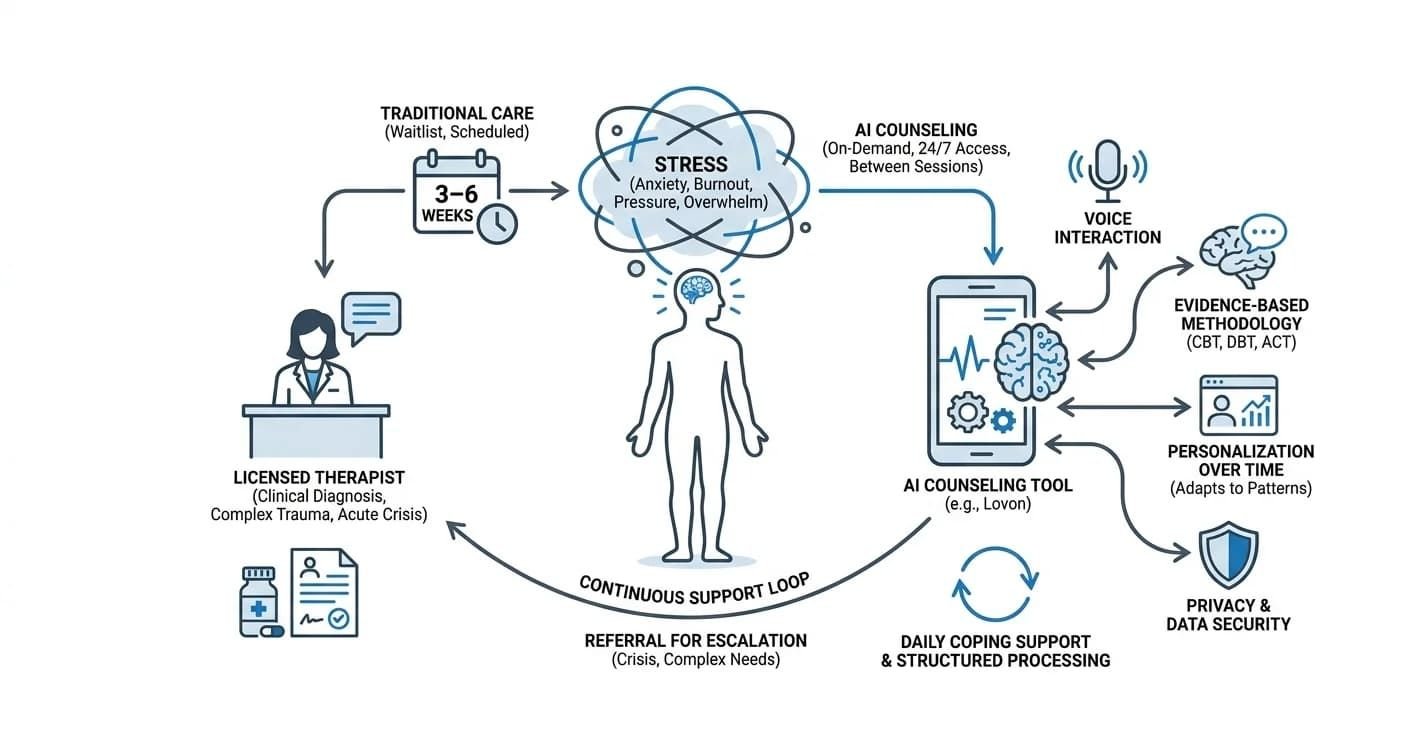
A helpful ai therapy app should provide structured exercises that support reflection, emotional awareness, and behavior change. Look for features that encourage users to identify triggers, name emotions accurately, and challenge unhelpful thoughts ai therapy app with kindness. The best tools also make it easy to track progress through consistent prompts, so users can see improvements in how they respond to stressful situations.
Quality is also reflected in user experience design: simple navigation, readable content, and a calm tone that avoids overwhelming the user. It should be clear how the guidance is generated and how it supports personal growth goals without pretending to replace professional care. When an app sets realistic expectations—such as focusing on coping skills and confidence-building habits—users feel more secure and are more likely to keep using it.
How structured practice strengthens confidence
Confidence grows when users build new internal habits through repeated practice. A quality self-help platform can help users create routines like journaling thought patterns, practicing self-compassion statements, and using calming check-ins when emotions spike. These exercises work together: reflection helps people notice patterns, while targeted responses teach them what to do next time.
For example, users may begin by recognizing moments of harsh self-criticism, then practice reframing those thoughts into balanced alternatives. Over time, they can develop a “pause and respond” skill that replaces automatic reactions with intentional choices. When the guidance is supportive and consistent, people are more likely to follow through, because the process feels achievable rather than exhausting.
Conclusion
Choosing a support tool for confidence should be about both trust and quality, not hype. When an app offers clear structure, thoughtful prompts, and a respectful tone, it helps users engage more deeply with their growth work. That combination makes it easier to practice emotional awareness and reinforce healthier self-perception over time. Lovon Inc supports that journey by providing accessible mental wellness tools that encourage reflection, emotional awareness, and positive habits for people seeking convenient support online. If you want guidance that feels steady and well-designed, focusing on trust-building features can make all the difference in your progress. With the right companion, confidence becomes something you practice daily—one intentional step at a time.