
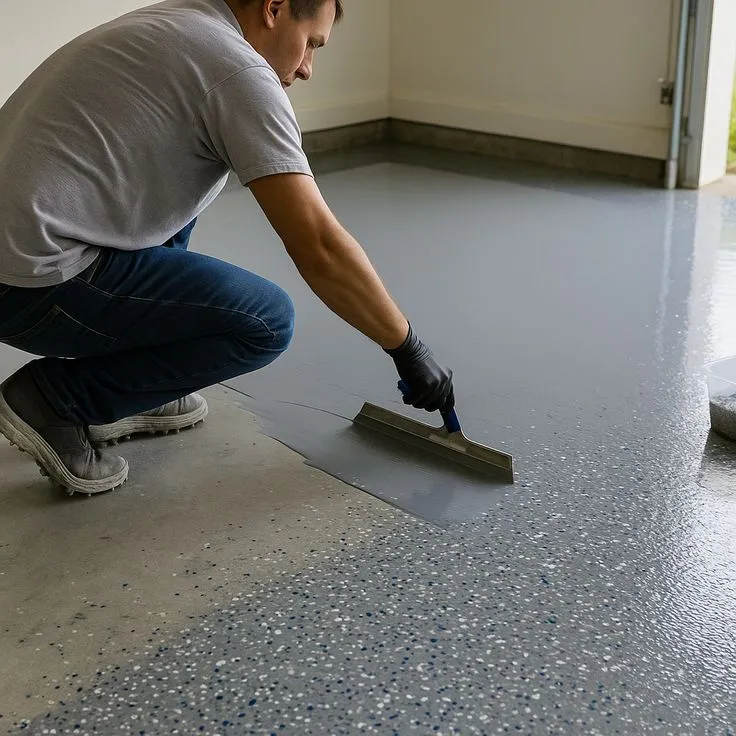
A painted garage floor may look refreshed for a few months before tire marks, lifting edges, or worn patches begin to appear. Homeowners often assume another coat of paint will solve the problem, but recurring failures can reveal issues with the slab or the original preparation. A professional garage floor coating can be worth considering after those conditions are investigated. In Northern Utah, a lasting upgrade should account for road grit, seasonal moisture, daily parking, and the activities taking place around stored equipment. Understanding what went wrong is more valuable than choosing a new color immediately. It also helps homeowners avoid paying twice for preparation that should have been addressed before the original paint was applied.
Find Out Why the Previous Finish Failed
Peeling near tire tracks might reflect poor adhesion, incompatible products, or the stress of regular vehicle use. Flaking around entrances may also be associated with moisture and contamination. A loose coating does not identify its own cause, so photographs alone rarely provide a complete diagnosis.
Look closely at where damage begins and whether it returns in the same area. Ask about earlier preparation methods and any products applied to the slab. Significant cracking or recurring dampness may need separate assessment before decorative work can proceed.
Decide Whether the Slab Needs Repairs
Removing failed paint can reveal oil stains, shallow pits, cracks, and older patches. Some imperfections can be repaired locally, but continuing movement or severe deterioration may require a different approach. A coating protects suitable concrete; it cannot make an unstable slab structurally sound.
A contractor should examine joints, entrances, and areas beneath parked vehicles. Surface moisture and any history of water entering the garage also deserve attention. Addressing these conditions before new material is applied can reduce the chance of repeating an expensive failure.
Understand the Available Flooring Systems
Professional garage systems may use epoxy, polyaspartic materials, decorative flakes, or metallic finishes. These products serve different purposes. A flake finish creates color variation, while a solid color provides a more restrained appearance. Some topcoats are selected for abrasion resistance or improved color stability under sunlight.
When considering garage floor epoxy, ask about the whole system rather than an isolated product name. The base layer, optional decorative broadcast, and protective topcoat need to be compatible. Product selection should reflect actual traffic, cleaning requirements, and exposure near the garage door.
Ask for a Clear Preparation Plan
A reliable quotation should explain what happens before coating begins. Mechanical grinding may remove unsuitable paint and create an appropriate bonding profile. Contractors may also need to repair defects, check moisture conditions, and protect adjoining walls from dust or splashes.
Before approving work, confirm these details:
-
Which old coatings will be removed completely?
-
Are cracks and damaged joints included?
-
What preparation equipment and dust controls are planned?
-
Which resin layers and finishes are specified?
-
When may vehicles and stored equipment return?
Written answers make competing proposals easier to compare and prevent uncertainty after the garage has been emptied.
Account for Northern Utah Conditions
Winter vehicles can carry melting snow, road treatment residues, and abrasive grit into garages. Summer sunlight may reach the floor through an open door. The selected system should suit these exposures, and the installer should explain how traction and maintenance are addressed.
Temperature also influences application and curing for many resin products. A floor that appears dry may not be ready for tire contact. Follow the actual manufacturer’s return-to-service guidance instead of assuming every coating has an identical schedule.
Make Maintenance Part of the Upgrade
Once the finish has cured, sweeping away grit helps limit scratching. Promptly clean automotive spills using products approved for the system, and use protective pads where cabinets or tools are moved regularly. Avoid harsh solvents or abrasive equipment without checking compatibility.
Inspect high-use turning points and the entrance periodically. If lifting or cracking reappears, investigate the underlying condition rather than covering it with another unrelated material. Keep installation records and the product information for future maintenance discussions.
Conclusion
A failing garage paint job is a reason to inspect the concrete, not simply buy another bucket of coating. Understanding previous adhesion problems, repairing suitable defects, choosing compatible resin layers, and respecting curing times support a better renovation decision. Homeowners should compare written installation plans and practical maintenance expectations before proceeding. Around Logan and other Northern Utah communities, avid-epoxy.com provides information about decorative garage coating options that can help owners plan a floor suited to daily parking and changing seasonal conditions.