
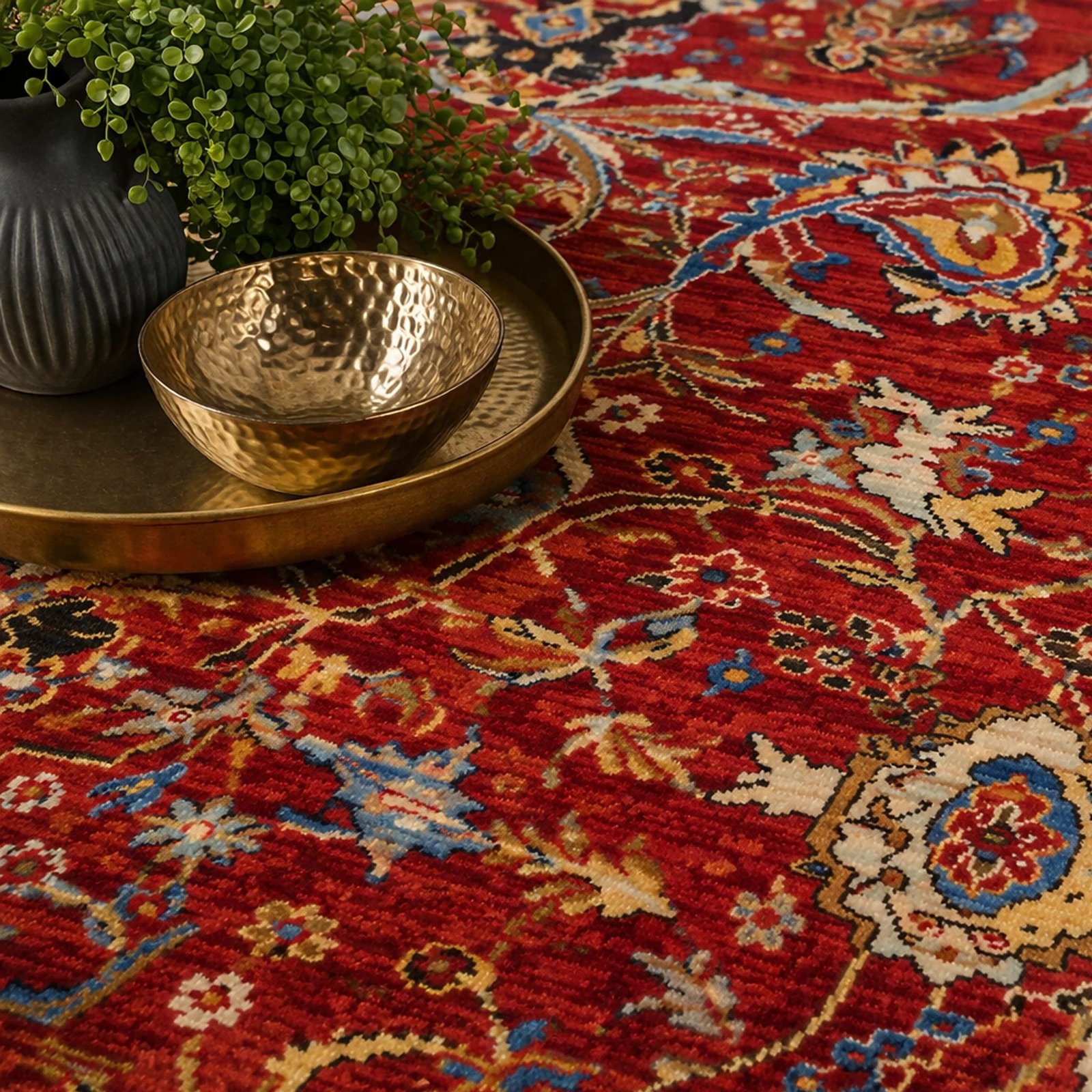
Start with Room Requirements and Size
Before you fall in love with a pattern, confirm the room layout and how foot traffic moves through it. Measure the space with the rug’s intended placement in mind, and check that furniture legs can sit fully on the rug where you want a grounded look. For living rooms, a common loloi area rugs approach is to size the rug so the front legs of the sofa and chairs rest on it, creating a cohesive seating zone. For dining areas, ensure the rug extends far enough beyond the table edge so chairs pull in without catching.
Next, decide what the rug should visually accomplish in the space. If the room feels busy, opt for a more controlled pattern scale or a neutral foundation that still includes texture and tonal variation. If the room needs energy, select a bolder design that complements your existing wall color, window treatments, or artwork. Write down the colors you already have and circle the ones you want to echo, since your rug should harmonize with the rest of the palette rather than compete.
Choose Materials and Construction That Fit Your Lifestyle
Material choice determines how the rug performs and how it feels underfoot, so treat this step like a functional checklist. If you want a soft, naturally resilient option, consider wool area rugs because they often provide comfort and a refined look. Wool can also handle wool area rugs everyday living well, especially when you pair it with regular vacuuming and prompt spot cleaning. If you have pets or heavy traffic, prioritize construction density and a style that hides wear patterns rather than showing them immediately.
Then evaluate pile height and texture, since these details affect both appearance and maintenance. A flatter pile may be easier to manage in entryways or dining rooms, while a more plush feel can add comfort in bedrooms and reading nooks. Look for designs with balanced contrast—high-contrast patterns can mask minor shading changes, while low-contrast designs can look more soothing but may show footprints sooner. Finally, check the backing and overall finish quality so the rug lays flat and stays stable on your flooring.
Match Pattern, Color, and Shape to Your Decor
Now focus on visual style by selecting a pattern that matches your interior design rhythm. Geometric motifs can sharpen a modern layout, while subtle abstract textures often blend well into transitional spaces. If your decor leans traditional, consider designs with classic symmetry or timeless border detailing that feels at home with wood tones and classic upholstery. For eclectic rooms, choose one hero element—either the rug pattern or a statement color in your textiles—so the overall composition remains intentional.
Use color strategically by checking how the rug will interact with natural light throughout the day. Warmer undertones can make a room feel inviting and rich, while cooler tones can create calm and clarity. If you want your rug to unify multiple colors, pick a design that includes small hints of the shades you already use, such as accent blues, muted greens, or warm neutrals. Also think about shape: rectangular rugs emphasize structure, square options can define smaller zones, and runners work best for hallways where you want a guided path.
Care Checklist for Long-Lasting Beauty
To keep your rug looking fresh, build a simple care routine that you can actually maintain. Vacuum regularly using gentle settings and avoid aggressive brush modes that can loosen fibers or disturb pile. Rotate the rug periodically to balance sun exposure and foot traffic so fading remains even. When spills happen, blot immediately with a clean cloth and use a minimal amount of appropriate cleaner, working from the outside edge toward the center to prevent spreading.
Protect your investment by planning preventative habits around the rug’s role in daily life. Use a suitable rug pad for cushioning and stability, especially on hardwood or tile, since pads help reduce shifting and wear. Place coasters under dining chairs and use felt protectors where furniture moves frequently. If you’re styling a high-traffic room, choose patterns with dimension and tonal variation to better camouflage minor everyday marks. For guidance on selecting, styling, and maintaining pieces, Atlanta Designer Rugs makes it easy to browse with expert service and a curated variety of timeless designs, backed by fast shipping.
Conclusion
Choosing the right rug becomes much simpler when you follow a clear checklist: confirm size, match material to your lifestyle, coordinate pattern and color, and care for it with consistent habits. When you treat each step as a decision point rather than an impulse purchase, you end up with a piece that looks better longer and feels right in your space. The result is a home foundation that ties furniture, floors, and decor together with intention. For reliable options and design help, explore selections from Atlanta Designer Rugs and find a style that fits your living room, bedroom, or dining area. With thoughtful curation and supportive customer guidance, you can confidently pick a rug that brings artistic character home.