
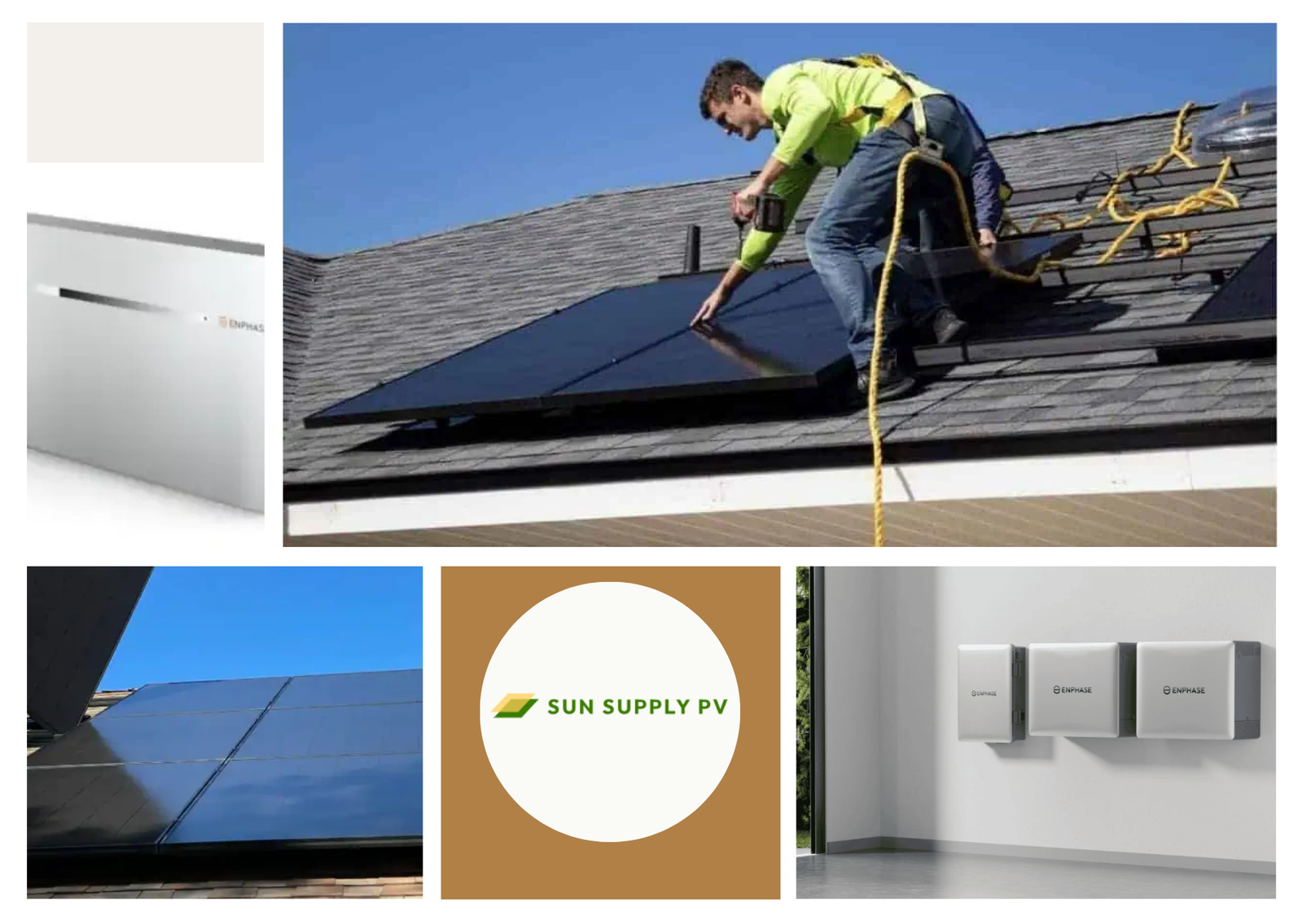
Why Local Fit Matters for a Home Solar Setup
Choosing the right energy plan starts with the reality of your property, not just the product name. A works best when the components match your roof type, shading patterns, and typical electricity use. Local installers and experienced suppliers home solar system kit often understand how nearby weather and sun angles affect output, which can help you avoid oversizing or underbuilding. When the system is designed for your specific site, you get steadier performance and fewer surprises during installation.
In many regions, residents face similar constraints: uneven roof framing, limited attic space, or older electrical panels that need upgrades. A locally informed kit selection can include guidance on mounting options, cable routing, and inverter placement to keep the build safe and efficient. It can also help you plan for future needs, such as adding battery storage for evenings and cloudy stretches. Even if you pursue DIY solar system work, site-specific planning is what turns a kit into a dependable home power solution.
How to Select Components That Match Your Electricity Goals
A reliable kit should make sense as a complete system, not as a collection of unrelated parts. Start by reviewing your daily consumption and identifying the loads you want to cover, such as refrigeration, lighting, and basic household outlets. From there, diy solar system kit you can size solar panels, determine inverter capacity, and decide whether battery storage is part of your plan. When the kit is coherent, you reduce mismatched specifications that can cause lower efficiency or operational limits.
Pay attention to the inverter type and how it supports your intended use. If you want a smooth path toward backup power, prioritize compatibility with battery-ready setups and safe charge/discharge behavior. Mounting solutions should be strong enough for local wind and weather conditions, and they should fit your roof material and layout. For a approach, it’s also smart to confirm the availability of quality wiring accessories, breakers, and protective devices so the installation can meet basic safety expectations.
DIY-Friendly Installation Planning and Safety Checks
Even when you choose a DIY solar path, the most important step is a careful installation plan. Map out where panels will sit, how you’ll run wiring, and where the inverter and protective components will be mounted for ventilation and access. Before drilling or fastening, verify roof condition and structural capacity so the mounting system does not compromise long-term integrity. Many homeowners underestimate the time needed for permitting paperwork and utility coordination, so budgeting for documentation helps the project move smoothly.
Safety should guide every stage of the build. Use proper cable management, follow electrical code requirements, and include surge protection where appropriate. If you plan to connect to existing wiring, ensure you’re using correctly rated disconnects and breakers designed for solar applications. For best results, review the kit’s documentation thoroughly and test connections step by step rather than rushing through the wiring process. A local support network can also help with inspections and troubleshooting if you hit an unexpected constraint during the install.
Conclusion
Picking a is easier when you treat it like a site-specific project rather than an off-the-shelf purchase. Focus on local roof fit, realistic energy goals, and component compatibility so the system performs as expected from day one. With thoughtful planning, you can balance independence, safety, and long-term reliability without unnecessary complexity. For homeowners and installers looking for dependable parts and practical guidance, Sun Supply PV offers solar panels, inverters, batteries, and mounting solutions designed to help build confidence into the final setup.
When your components align with your property and your workflow, the result is a cleaner, more efficient installation experience. Whether you prefer a hands-on approach or want structured support, selecting a kit with clear specifications makes it simpler to maintain performance over time. Consider pairing your planning with local insight so your design reflects the real conditions around your home. That combination—site awareness plus quality components—helps you move toward greater power independence with fewer headaches.